Article Overview
Managing a busy site across Coventry or the West Midlands often feels like juggling multiple disconnected systems that should ideally work in harmony. You likely have fire alarms, access control, and cameras installed, yet these components frequently operate as islands, which creates unnecessary complexity when you need to act quickly during an incident. This guide provides a clear, practical roadmap to bridge those gaps by linking your existing hardware with modern public address systems. We focus on how these integrated setups improve your daily operations while providing reliable emergency communication during high-pressure situations. By taking this approach, you gain total control over your environment, so that every siren or alert is paired with clear, actionable human instructions that keep your staff and visitors safe throughout the working day.
Most site managers juggle dozens of daily tasks while keeping one eye on site safety, yet they often find that their security layers fail to speak to one another during critical moments. You might have a perfectly good fire alarm setup, but without a voice system, you rely solely on sirens that can confuse people when they need specific directions to reach a safe exit point.
This lack of coordination creates genuine frustration because it forces you to react to security breaches or fire evacuations using outdated methods that slow down your response time. You lose valuable minutes trying to manually coordinate teams while the lack of clear instructions leads to panicked behaviour, which puts your property and the people inside it at unnecessary risk.
A practical solution exists that connects your security infrastructure through smart integration, so that every alarm event triggers a direct channel for audio communication. By layering your site with public address systems, you transform simple sensors into a responsive network that provides calm, automated guidance the moment a problem arises.
KEY TAKEAWAYS
- ✓ Linking your audio equipment to your fire panels means that visitors receive clear evacuation instructions immediately, which reduces chaos and keeps everyone moving towards the correct exits.
- ✓ You save significant time during security incidents because your existing camera network provides the live visual context needed to broadcast specific warnings to intruders across your site.
- ✓ Investing in integrated systems simplifies your daily site management by centralising all your control protocols, so that your security team can act with total confidence during any emergency communication event.

Need Specialist Advice on Commercial Public Address Systems?
Speak to our technical team today for tailored specifications, regulations compliance, and practical support.
Speak to a SpecialistHow commercial audio links with your fire alarm setup
When your fire alarm triggers, the priority shifts immediately toward getting people out of the building as quickly as possible. Most businesses rely on standard bells or sirens, but these often lead to confusion or panic because people do not always understand what they need to do during a genuine emergency. By bridging your PA system with your fire alarm setup, you gain the ability to broadcast clear, pre-recorded messages or live instructions that tell staff and visitors exactly where the nearest fire exit is located.
Signals that talk to your speakers
The technical side involves an interface that bridges the two systems, so your audio equipment automatically mutes any background music or general announcements the moment the fire panel signals a detected threat. This transition happens in a split second, which means your occupants receive immediate guidance rather than a jarring, unexplained noise.
- Your existing speakers gain a life-saving function during building evacuations.
- Live announcements allow managers to redirect crowds away from specific blocked or dangerous routes.
- Automated pre-recorded messages provide a calm and consistent tone to settle panic in busy environments.
- Staff training becomes easier because you can clearly describe the assembly point location through the audio channels.
Because many commercial properties across the West Midlands often have complex floor plans or multiple entry points, generic alarms struggle to provide the nuance needed for a safe exit. A voice alarm system provides a bespoke response that matches your building’s unique layout, which prevents the bottlenecks that often happen when a dozen people try to exit through the same door simply because it is the only one they know.
Testing your audio during site checks
You should approach this integration like you would any other aspect of your facility management, such as reviewing how your website displays on a mobile screen or checking if your team responds to customer feedback within a set time frame. It is good practice to schedule regular checks where you trigger the alarm in a controlled manner to confirm the audio messages play at the correct volume. This habit gives you peace of mind because you can verify that the sound carries into every corner of your warehouse or office space without interference. When you take the time to hear these systems in action, you can adjust the volume levels for noisy areas, which helps staff hear instructions clearly even if they are working near heavy machinery or in a bustling retail shop floor. This practical approach ensures that your emergency communication stays effective throughout the working week.
| Integration Type | Primary Benefit | Technical Complexity | Best Application |
|---|---|---|---|
| Fire Alarm Interface | Automated emergency evacuation | High | Large retail units and offices |
| Security System Link | real-time incident response | Medium | Car parks and high street banks |
| Network Audio Integration | Flexible zone management | Low | multi-site commercial buildings |
Ways to boost security coverage with integrated sound
Talk directly to site visitors
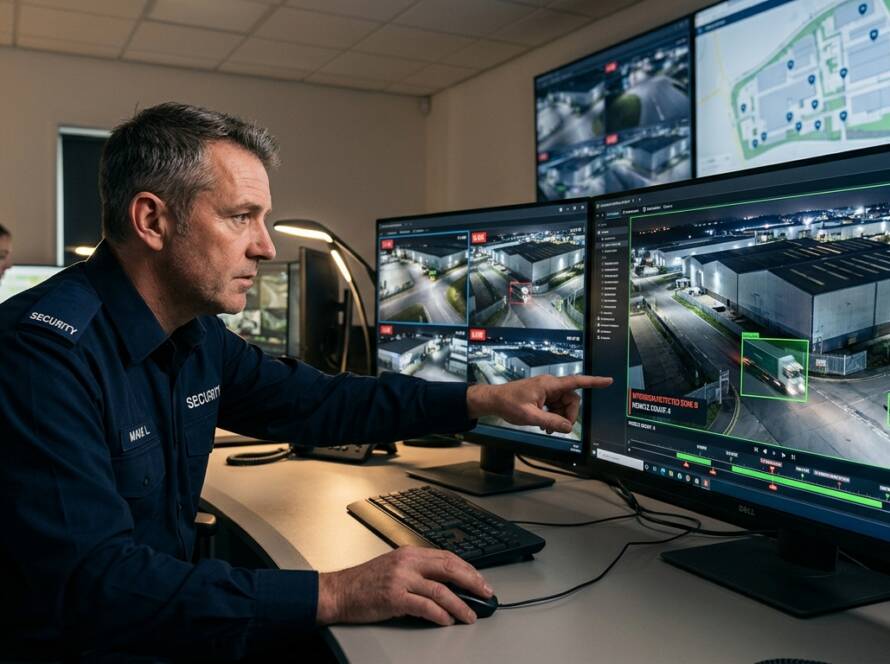
When you integrate your audio equipment with your existing security hardware, you can steer people away from restricted zones before a genuine breach occurs. It is similar to how a shop owner might greet a customer as they walk through the door, which creates a polite deterrent that discourages opportunistic behaviour. If your cctv cameras detect someone lingering near a delivery bay after hours, you can trigger a pre-recorded message or speak directly through the speakers. This approach turns a static camera into an active guardian, especially when you consider that most intruders prefer to move on once they realise their presence has been acknowledged by a real person.
Bridge the gap between alarms and live warnings
You might worry that adding more technology makes your daily operations difficult, but the truth is that a well-connected system simplifies your response protocols significantly. By linking your access control units to a centralised sound system, you gain the ability to broadcast urgent instructions across a large warehouse or office floor the moment a door is forced open. Imagine a situation where your fire alarm triggers, but the system also uses two way audio to guide your staff towards the nearest fire exit instead of the main entrance. This clever layering of hardware means your safety strategy functions as a cohesive unit rather than a collection of separate, disconnected gadgets that rarely speak to each other.
Create a safer environment for staff and visitors
Because local businesses often face similar challenges regarding out of hours site protection, it makes sense to rely on tools that provide clear, audible oversight across your entire property. You should think of your sound system as an extension of your visual surveillance, so that you can react with authority while the security incident is still unfolding. It is much easier to manage a busy yard or a large car park when you possess the ability to address individuals remotely without needing to step outside. Once you begin to see the potential of these connected solutions, you will find it much easier to maintain control over your premises throughout the working day. You can even use these audio channels to remind delivery drivers about specific parking rules, which helps to keep your site traffic flowing in a way that respects your existing safety policies. When your security infrastructure works in harmony, it feels less like a burden and more like a dependable partner that helps you stay on top of your site management duties every single day.

Where to position speakers for maximum coverage in Warwickshire
Getting the acoustics right in local workspaces
When you look closely at how sound behaves in a busy warehouse or an office block, you quickly realise that walls and high ceilings often bounce noise in ways you do not expect. Because local commercial building safety regulations are quite specific about alarm clarity, it makes sense to avoid placing speakers in corners where sound gets trapped or muffled. If you imagine someone trying to hear an evacuation instruction above the hum of machinery or ambient office chatter, you can see why placing units closer to the source of activity works better than mounting them too high. Acoustic design becomes much simpler when you treat the floor plan as a map of potential obstacles, so you should focus on clear lines of sight between the speaker and the people underneath.
Practical ideas for equipment placement
You can apply a few common-sense rules to make sure your setup actually reaches every corner of your facility without creating painful feedback loops. It helps to think about how your team navigates the space during their typical day because the goal is to provide clear alerts that don’t cause confusion.
1. Install ceiling-mounted units in open-plan offices where the sound needs to spread downwards in a gentle arc across your desks.
2. Fix wall-mounted speakers at eye level in narrow corridors so that the message travels straight down the walkway to everyone present.
3. Choose industrial-grade housings for areas near heavy production equipment, which keeps the voice quality sharp and distinct even when the ambient noise levels increase.
Thinking about the layout of your premises
Once you have a clear picture of how sound travels through your specific building, you should walk the perimeter while someone triggers a test signal to confirm the coverage. This kind of check is much more effective than relying on blueprints alone, especially since everyday items like storage racks or glass partitions change how audio behaves in the real world. In practice, this means you might need to adjust the angle of a speaker by a few degrees or add a secondary unit in a breakout area that feels slightly isolated. If you treat this process as an extension of your existing alarm network, you will find it much easier to meet your legal responsibilities while keeping your staff informed during an emergency. Taking the time to move around the building and listen from various spots allows you to catch those unexpected dead zones before they ever become a concern for your business operations.
How to keep your system compliant with British standards
Getting your documentation in order
When you consider the integration of audio systems with your fire safety framework, the primary hurdle is often the paperwork that proves your setup functions as intended. The standard known as bs 5839 acts as the backbone for these installations, so your local fire officer will expect to see valid certification that demonstrates the system meets all safety parameters. In practice, this means your installation records need to track every component change or software update performed on your site. If you look at how your internal records compare to the files held by your insurance provider, you will likely find that clear, dated logs are the fastest way to resolve any queries during a routine inspection.
Staying on the right side of the law
Regulatory compliance often feels like a moving target because local authorities might change their requirements based on the specific risk profile of your Coventry business premises. You should treat your fire alarm and public address connection as a living entity that requires regular physical tests to verify that every speaker triggers at the correct decibel level during an alarm sequence. Because local customers tend to visit shops or offices that feel well managed and safe, performing these checks during quiet hours allows you to confirm that the sound coverage is uniform throughout the building. It is a good idea to schedule a formal review every six months so that you can catch any faults before they become expensive repair jobs.
Working with qualified local experts
A common mistake happens when business owners try to manage these complex digital integrations using contractors who lack specific fire safety credentials. Since your primary goal involves protecting people and property, you need to ensure that the team carrying out the work possesses the correct documentation for your specific sector within the west midlands. Once you have a clear picture of who is responsible for each part of the system, you can easily verify their status by checking their recent project history or speaking with other local companies who use their services. You want to build a partnership where the technician understands your building layout and can provide guidance on how to keep your systems updated as your business grows. This approach helps you avoid the common trap of waiting for a system failure to happen, which saves you a great deal of time and unnecessary frustration when the fire inspector arrives for a surprise visit. By keeping your records simple and your testing schedule consistent, you remove the stress that usually accompanies fire safety audits while keeping your staff safe throughout the year.

Frequently Asked Questions around Commercial Public Address Systems
Can I link my current fire alarm to the public address system?
Linking these two systems is a smart move because it transforms your speakers into a professional emergency broadcast tool during an evacuation. You need a dedicated interface unit that triggers a pre-recorded message the moment your fire panel detects smoke, which helps move people to safety quickly without relying on those confusing old bells.
Will this integration disrupt my daily business activities?
Modern systems are designed to sit quietly in the background until they are needed for a specific announcement or emergency alert. You can easily play background music or scheduled messages throughout the day, so the hardware earns its keep while you work, but the system will override everything the moment a high-priority alarm signal arrives.
How much should I budget for this kind of technical upgrade?
Small installations for modest office buildings might cost around 2000 pounds, although large commercial facilities with multiple zones could easily exceed 10000 pounds. You should ask a local installer to visit your site for a proper quote because the cabling requirements and the number of speakers needed will change the price quite significantly.
Does the system work if the mains power fails?
Safety regulations require that these systems stay functional for at least 30 minutes during a power cut, which is why we always include a battery backup unit. This means your staff and visitors will still hear clear instructions even if the primary grid goes down, giving everyone the best chance to exit the building in an orderly fashion.
Can I play music through the speakers for general use?
You can definitely use the system for background audio because it creates a pleasant atmosphere for your clients and staff members while they go about their day. Just make sure you connect a digital media player or a streaming device to the input module, which allows you to adjust the volume levels for different areas of your property.
Is it difficult to train staff to use the microphone?
Most modern microphones feature simple push-to-talk buttons that anyone can master in about 5 minutes of practice. We usually provide a short user guide that covers the basic volume controls and zone selection buttons, so your reception team can make announcements with total confidence without needing a technical background.
What happens if I want to add more speakers later on?
Scalability is one of the main benefits of these systems because you can add extra speaker lines as your office space grows or changes. You just need to check that your amplifier has enough power to handle the additional load, which makes it easy to expand your coverage without replacing the entire setup.
How often should I test the integrated system?
You ought to perform a full system check every 6 months to confirm that all emergency triggers are firing exactly as they should be. Keep a simple logbook of these tests to satisfy your insurance company and local fire safety officers, because staying organised is the best way to keep your building compliant and your occupants protected.
Ready to Discuss Your Commercial Public Address Systems Project?
Get in touch with our specialists today for detailed site guidance, technical specifications, and a quotation tailored to your requirements.
Contact Us