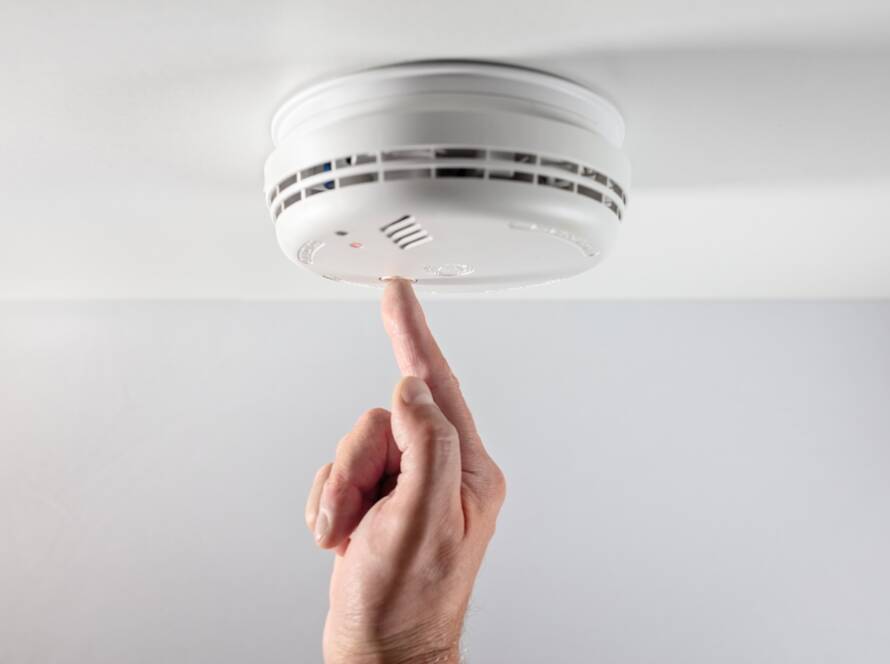
During an assessment, the auditor categorises your building’s risk profile based on its layout, fuel load, and occupant status (e.g., sleeping risks, mobility levels, high public footfall). The assessment report explicitly mandates the BS 5839 system category required to make the property legally safe.
Navigating BS 5839 Fire Alarm Design Categories
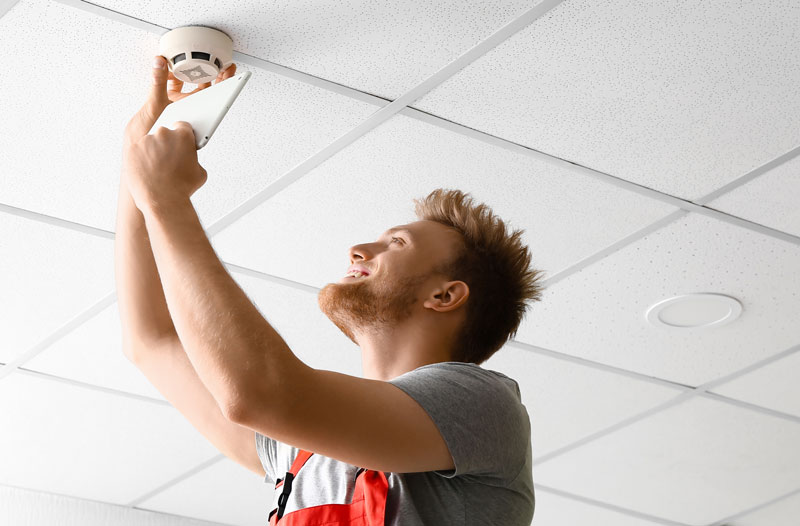
British Standard BS 5839-1 dictates how commercial fire alarms are designed, installed, and commissioned. The standard breaks systems down into distinct functional categories based on life and asset protection objectives:
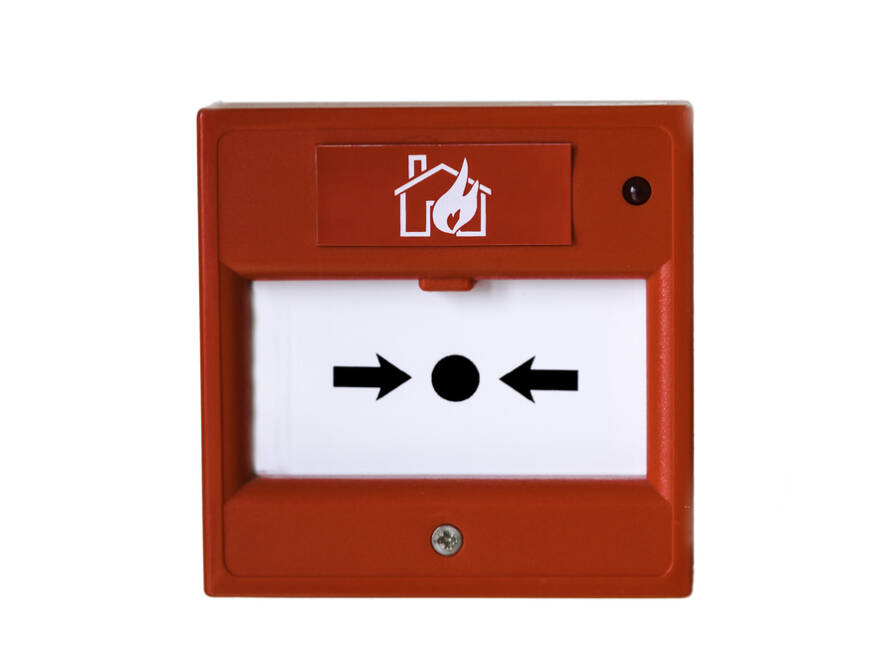
- Category M (Manual): Relies entirely on occupants manually breaking a call point (break-glass) to trigger the alarm. Suitable only where occupants are awake, alert, and no sleeping risks exist.
- Category L (Life Protection): Automatic fire detection (AFD) designed to save lives by giving early warning along escape routes:
- L4: Automatic detection fitted only along escape routes (stairwells and corridors).
- L3: Detection along escape routes plus all rooms opening onto those routes.
- L2: Detection along escape routes plus specified high-risk zones (e.g., commercial kitchens, boiler rooms, and plant areas).
- L1: Maximum automated protection; detectors fitted throughout every area and void of the building.
- Category P (Property Protection): Automatic detection engineered specifically to protect property, equipment, and stock (frequently specified by commercial insurers).
Why BAFE SP203-1 Accreditation Matters
Installing a system without third-party accredited oversight leaves the “Responsible Person” legally exposed.
Working with a BAFE SP203-1 modular accredited provider, such as Clear Sound, guarantees that every stage of your project: Design, Installation, Commissioning, and Handover Maintenance, conforms precisely to BS 5839 standards. BAFE certification serves as formal, court-admissible proof that you have exercised due diligence under the Fire Safety Order.
Ensure your commercial premises are legally compliant
Don’t risk enforcement notices or insurance failure. Arrange a PAS 79-1 fire risk assessment with Clear Sound Fire & Security today by filling out our contact form or calling us on 024 7666 8366 today.