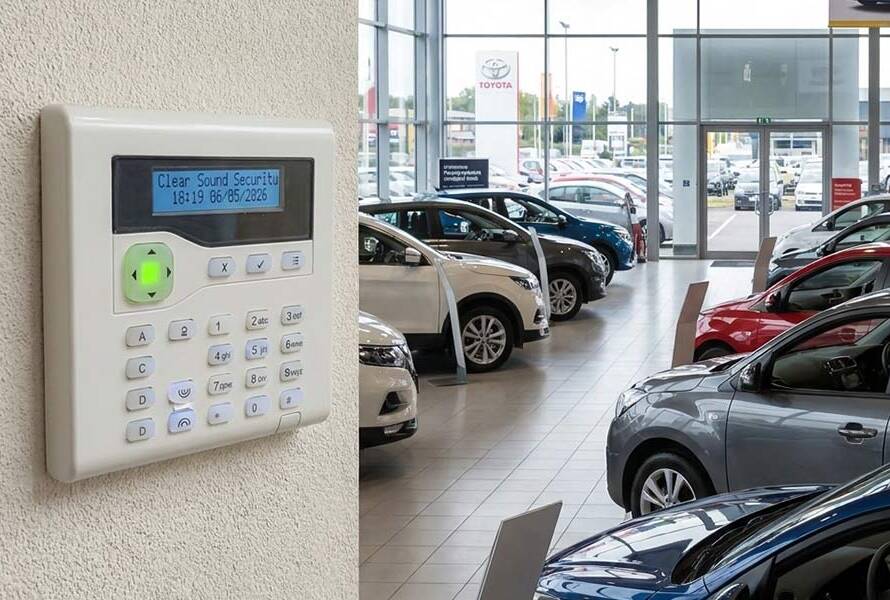
No. Verisure is not an NSI or SSAIB-registered intruder alarm installation company. This means that their intruder alarm installations do not include an NSI or SSAIB certificate of conformity.
What Verisure states in their marketing is that their ‘Alarm Receiving Centre’ (ARC) is SSAIB Registered.
This is not the same as Verisure’s intruder alarm installations being NSI / SSAIB certified.
This is extremely important if you need an insurance-compliant intruder alarm system, and/or maintainer.
NSI / SSAIB certification explained
When it comes to alarm system certification, there are two ways intruder alarms and alarm monitoring can be certified by the NSI or SSAIB.
These are:
- Intruder Alarm system certification: i.e., certifying that the intruder alarm system has been installed properly and according to British Standards, and importantly, by an NSI or SSAIB certified alarm installer.
- Alarm Receiving Centre certification: i.e., certifying that the Alarm Receiving Centre (ARC) operates according to British Standard BS EN 50518:2019.
ONLY Verisure’s ARC (Alarm Receiving Centre) is SSAIB certified – it is no longer NSI certified.
Why Verisure Intruder alarm systems are not NSI / SSAIB compliant
Verisure intruder alarm systems are not NSI or SSAIB compliant for the following reasons:
- They are not installed to British Standard BS8243 or PD 6662
- They do not include 1 or 2 on-site routine maintenance checks a year, in accordance with BS 9263 maintenance servicing standards
- They do not include a 4-hour engineer response, 24 Hours a day, 365 Days a year.
Are Verisure Intruder alarms installed to British Standards BS 8243 / PD 6662?
No. Verisure intruder alarm systems are not installed to British Standards BS 8243 / PD 6662.
There are many reasons why Verisure intruder alarm systems don’t meet these standards, which include:
- Portable alarm panel easily moved: One feature of Verisure’s alarm panel is that it can easily be moved around, which may seem a good thing, if, for any reason, you want to have Verisure’s remote monitoring close to you all the time. However, the alarm panel’s portability also poses a security risk – as it can be easily put in reach of a burglar, and its access route (when moved) may not be protected by a system sensor. A portable alarm panel also causes issues with system design documentation, which is a core element of British Standards compliance.
- Insufficient documentation/checks: Verisure alarms do not include the documentation required by British Standards, nor does their service include 1 or 2 on-site maintenance checks a year required by BS 9263.
Verisure do provide a comprehensive system maintenance model involving remote checks; however, this model does not meet the specific requirements of British Standards.
Can Verisure provide Police URN numbers to customers?
No, Verisure cannot provide a Police URN number with their systems.
A Police URN (Unique Reference Number) is required for a ‘Type A’ Police response.
To receive a Police URN, the NPCC (National Police Chiefs’ Council ) require an intruder alarm installer to be accredited by either the NSI or SSAIB.
As Verisure do not meet the requirement to obtain a Police URN, Verisure cannot offer a Type A Police response with their intruder alarm systems.
Are Verisure alarms connected to the police?
No. Verisure say they offer what is called a ‘Type B’ Police Response. However, under NPCC regulations, even this is not compliant. (see below).
If Verisure’s Alarm Receiving Centre verifies that there is a burglary in progress, they state they will call 999 and report the burglary to the Police and ask for a response from them.
This is very different from a Type A Police Response, which includes:
- URN: a URN (Unique Reference Number) which officially registers the property with the Police, including information like the address and access to keyholder information.
- Direct communication to Police Control Room: a direct link to the Police operations centre, rather than going via the 999 operator.
Police attendance to Type B alarm systems:
The official Police statement (As per the NPCC – National Police Chiefs’ Council) regarding responding to Type B alarms is as follows:
There is no guarantee of police response to Type B system activation under these requirements. The processing and response time for Type B systems will be significantly slower than that for Type A systems. Any reports of such activations will be assessed, triaged and graded like any other request for police attendance. The police response, if provided, will depend on the assessment of threat, harm and risk based on the evidence supplied.
Importantly, in relation to ARCs calling the police on 101 or 999, the NPCC state:
‘Type B systems will require evidence from a person at the scene that a criminal offence is in progress which indicates that a police response is required – by dialling 101 or 999 as appropriate, not through a third party or compliant/non-compliant monitoring centre.’
The NPCC further state:
The security systems industry has seen a rise in the use of Type B alarms, which are often sold and purchased with the expectation of prompt police attendance. Whilst we do not wish to remove the option of a rapid response where a crime is in progress, the development and increased use of this technology has created additional demand on policing resources and raised expectations of police attendance beyond what is appropriate.