Property security is a top priority for home and business owners across Coventry and the wider West Midlands. Local crime figures show that the Coventry crime rate sits at around 81 to 88 offences per 1,000 daytime residents. Crucially, the risks change depending on the neighbourhood. High-density commercial and retail sectors face rising shoplifting rates (up over 10%), while residential areas more frequently deal with vehicle crime and house break-ins.
In response, modern CCTV setups have evolved from simple visual deterrents into intelligent, highly regulated systems. This comprehensive guide outlines the technical standards, legal rules, and practical steps needed to design, install, and maintain reliable CCTV systems in Coventry and the surrounding Warwickshire area.
Understanding the Coventry Security Landscape: Local Risk Profiles
Protecting a property effectively means tailoring the system to the specific threats of the local area. Security needs vary significantly across Coventry’s distinct districts:
- High-Risk Urban & Retail Hubs (CV1, Foleshill, Henley): Neighbourhoods experiencing higher volumes of anti-social behaviour and shoplifting require robust perimeter surveillance. These setups rely on continuous high-definition tracking and built-in smart analytics to monitor stockrooms, shopfronts, and main entrances.
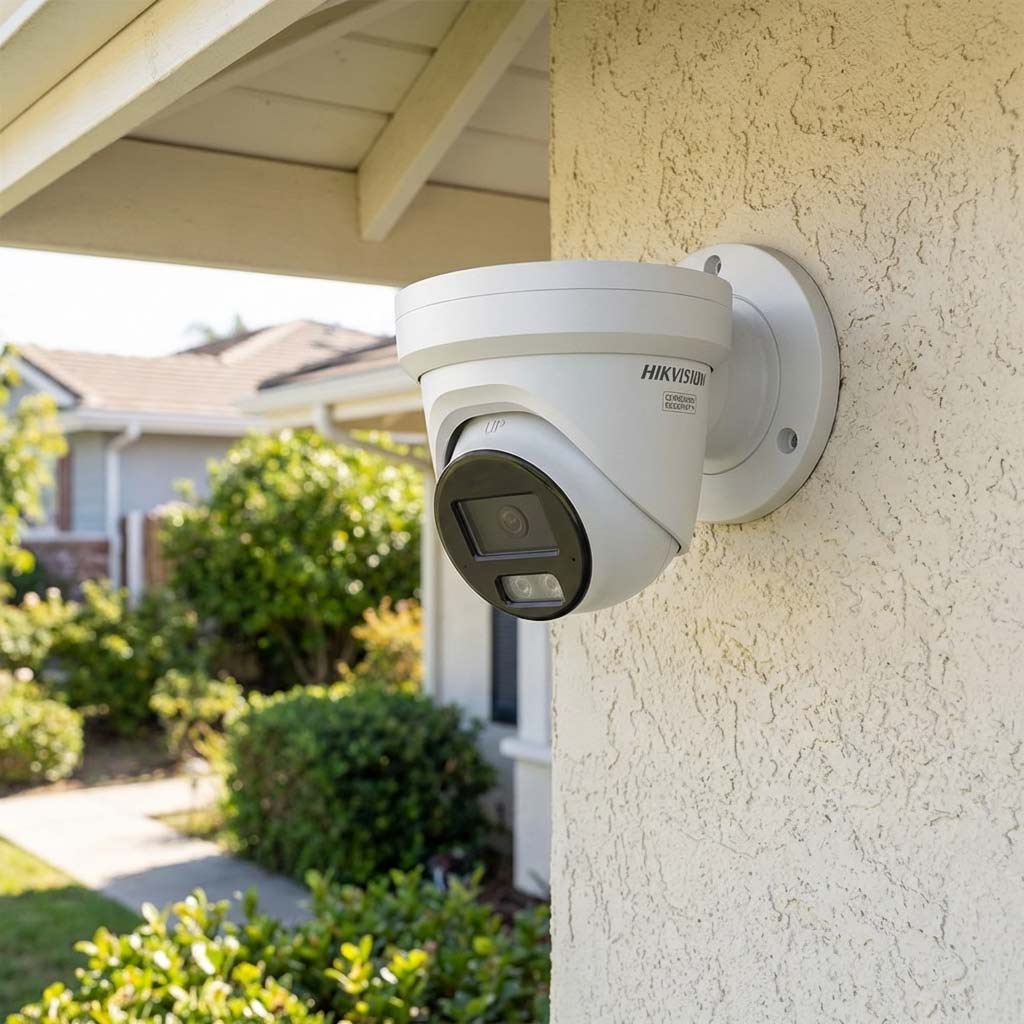
- Residential & Suburban Zones (Earlsdon, Wainbody, Woodlands, Whoberley): While tracking well shortages below the city’s average crime rates, these family-oriented suburbs are often targeted by opportunistic car thieves and domestic burglars. The focus here is on smart home integration, excellent night vision, and highly visible dome or bullet cameras designed to deter intruders before they even reach the door.
Technical Setup: Hardware Specifications & System Layouts
To ensure an installation offers genuine protection and meets industry standards, it cannot rely on cheap, DIY consumer gadgets. Systems must meet professional performance standards.
Camera Resolutions: 1080p General Monitoring vs. 4K Ultra HD Identification
A common engineering mistake is failing to calculate the required detail for a specific area. While a 1080p (2 Megapixel) camera works perfectly well for general view monitoring, it lacks the sharp detail needed to identify a face or a number plate from a distance. Clear Sound Fire & Security designs video surveillance systems using 4K Ultra HD (8 Megapixel) sensors in high-risk bottlenecks, such as loading bays, reception desks, and main entrances. This provides the crisp clarity demanded by West Midlands Police during investigations.
Camera Types: Bullet, Dome, and Multi-Sensor Panoramic Options
The shape and build of a camera dictate how well it handles the British weather, resists tampering, and covers blind spots:
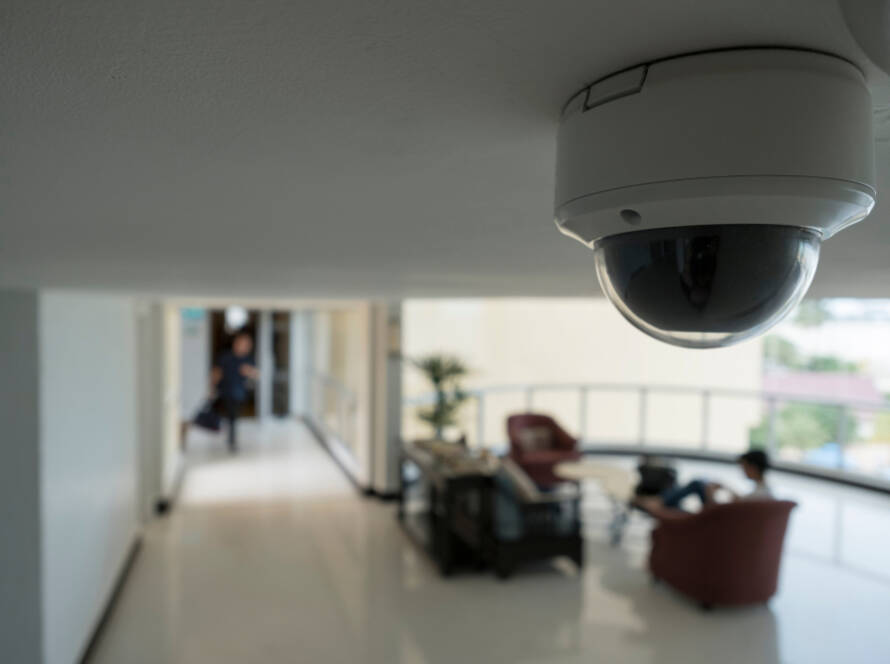
- Dome Cameras: Best suited for indoor offices and low ceilings. Their tough, enclosed design makes them highly vandal-resistant, and it is difficult for onlookers to see exactly which way the lens is pointing.
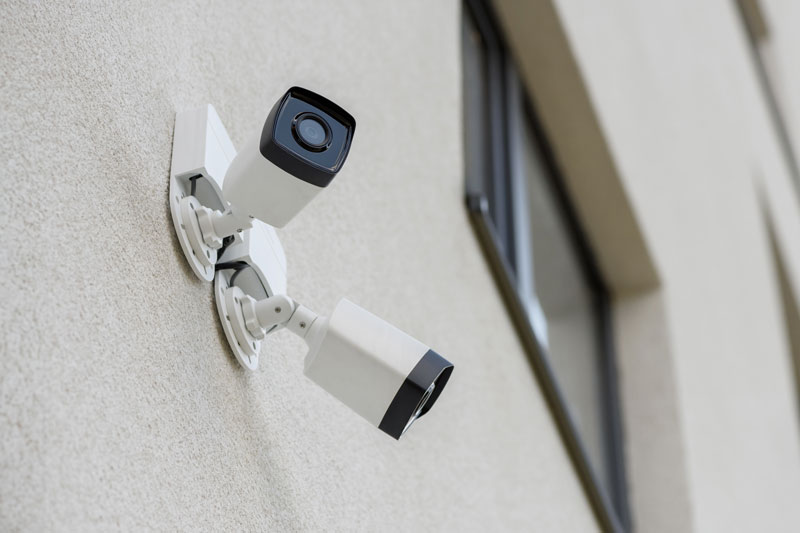
- Bullet Cameras: Used for long-range outdoor boundaries, offering a highly visible deterrent and powerful long-distance infrared night vision.
- Multi-Sensor Panoramic Systems: Perfect for wide-open spaces like car parks and haulage yards. They combine multiple lenses into one unit to eliminate blind spots without the delay of a rotating pan-tilt-zoom camera.
Network Setup: Power over Ethernet (PoE), Local Recorders, and Cloud Backups
Modern commercial setups use Power over Ethernet (PoE) via Cat6 cabling, which runs both power and high-speed digital data through a single cable. These feeds link directly back to an on-site Network Video Recorder (NVR) protected by strict password encryption.
For high-security operations, a hybrid cloud backup system is used. This sends encrypted footage straight to a secure online server, ensuring your video evidence is safe even if the physical recorder is damaged or stolen during a break-in.
Active Security: Smart Remote Monitoring & Live Audio Deterrents
Passive recording only captures a crime after it has happened; live monitoring stops it in its tracks. By switching to a remotely monitored CCTV system, Coventry businesses can move from simply gathering evidence to actively preventing crime.
How Remote Monitoring Works
- Smart Trigger: On-site cameras use built-in AI to spot someone crossing a boundary line or a vehicle loitering outside of business hours.
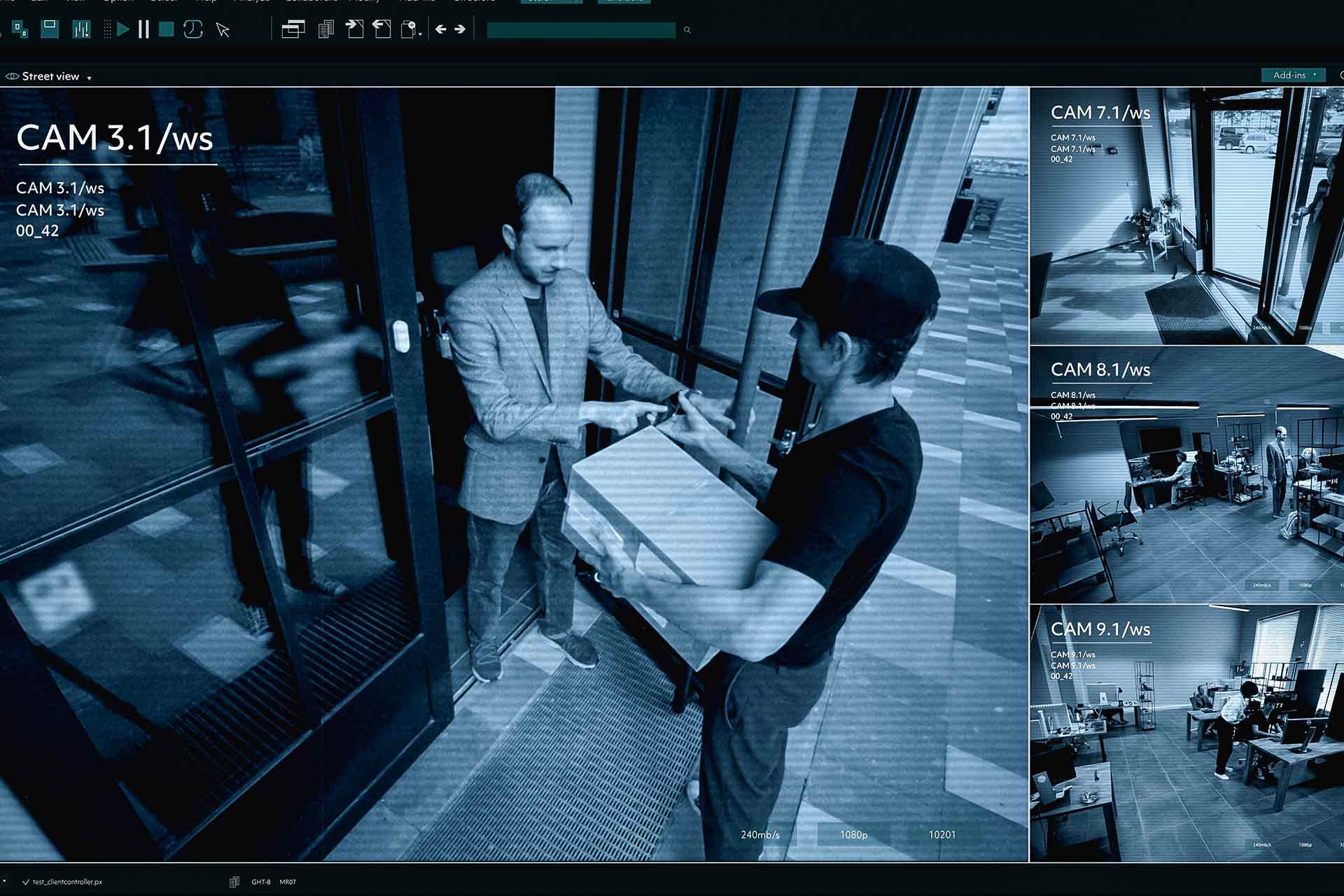
- Instant Feed Transmission: The video clip is immediately sent via a secure internet connection to an accredited UK Remote Monitoring Station (Alarm Receiving Centre, or ARC).
- Operator Action: Within seconds, a trained security operator reviews the live feed. If they spot an intruder, they issue a live, direct warning over the site’s loudspeakers.
This immediate human intervention completely disrupts the intruder’s plans, stopping break-ins before any damage is done to stock, property, or equipment.
Legal Compliance: Planning Permission & UK GDPR
Operating a CCTV system across Warwickshire comes with strict legal responsibilities. Failing to follow these rules can expose business owners to heavy fines and legal action.
Coventry Council Planning & Listed Buildings
Under standard UK planning law, fitting security cameras to commercial or residential properties usually falls under “permitted development.” However, Coventry has 18 distinct conservation areas and over 400 listed buildings (including Grade I gems, such as St. Mary’s Guildhall, and numerous Grade II structures).
If a property is in a conservation area or is listed, any physical alterations, including drilling into historic brickwork, running visible conduit, or painting camera housings, require formal Listed Building Consent from Coventry City Council. Proceeding without this is a criminal offence.

UK GDPR & Data Protection Act 2018 Rules
As soon as a camera records footage beyond your private home boundary (such as a public pavement or a shared alleyway), you must comply fully with the Information Commissioner’s Office (ICO) rules:
- Data Protection Impact Assessment (DPIA): A formal assessment must be written up before installation to justify why the cameras are necessary, balancing security against public privacy.
- Clear Warning Signage: Highly visible signs must be put up around the property boundaries before anyone enters the camera’s view, stating who is operating the CCTV and how to contact them.
- Privacy Masking: Digital privacy blocks should be programmed into the camera’s software to completely black out private windows, neighbours’ gardens, or public roads where monitoring isn’t justified.
- Subject Access Requests (SARs): Systems must allow designated staff to quickly find, export, and blur out third-party faces if a member of the public legally requests to see footage of themselves.
Industry Standards: The Importance of NSI Gold Accreditation
The UK security market has plenty of uncertified, unregulated installers. For insurance validation and guaranteed police response, choosing an accredited provider is vital.
As an NSI NACOSS Gold Approved and ISO 9001 Quality Assured company, Clear Sound Fire & Security designs, installs, and certificates systems to the highest British standards.