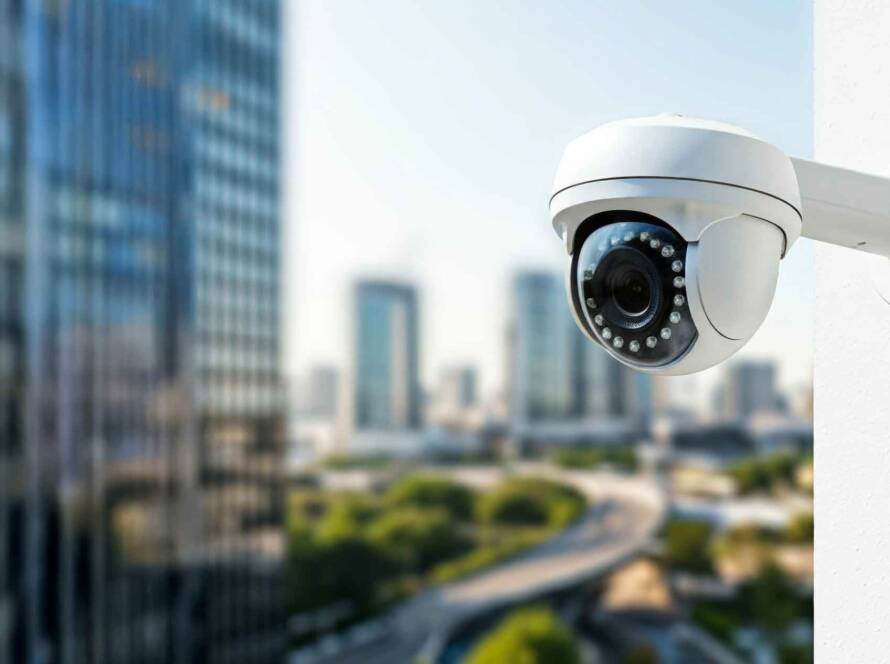
A high-resolution 4K security camera is only as effective as the engineering behind its placement. If an optical sensor is mounted at an incorrect angle, blinded by an adjacent streetlamp, or positioned within reach of a casual intruder, the entire system’s defensive value is compromised.
Designing a resilient residential security perimeter requires strategic planning, precise spatial calculations, and an understanding of structural vulnerabilities. To ensure a home is fully protected, certified installation specialists analyse property layouts through a strict risk-assessment framework rather than relying on guesswork.
Identifying and Engineering Against Residential Weak Points
Property structures present distinct points of vulnerability that criminals routinely exploit. When mapping out a professional camera layout, engineers prioritise high-risk access zones based on national crime data:
- Primary Entry Points & Driveways: According to data from the Office for National Statistics (ONS), the front of a property remains the most heavily targeted zone for domestic intrusions. Furthermore, driveways throughout Coventry and Warwickshire are high-priority areas due to the rise of keyless relay vehicle theft. Professional systems position dedicated narrow-angle cameras here to capture clean, uncompromised facial profiles and vehicle registration numbers.
- Side Passageways and Perimeter Gates: Narrow, poorly lit corridors running along semi-detached or detached houses provide natural cover for intruders. Positioning heavy-duty cameras to look down these specific pathways eliminates the structural blind spots that criminals use to gain unmonitored access to the rear of a building.
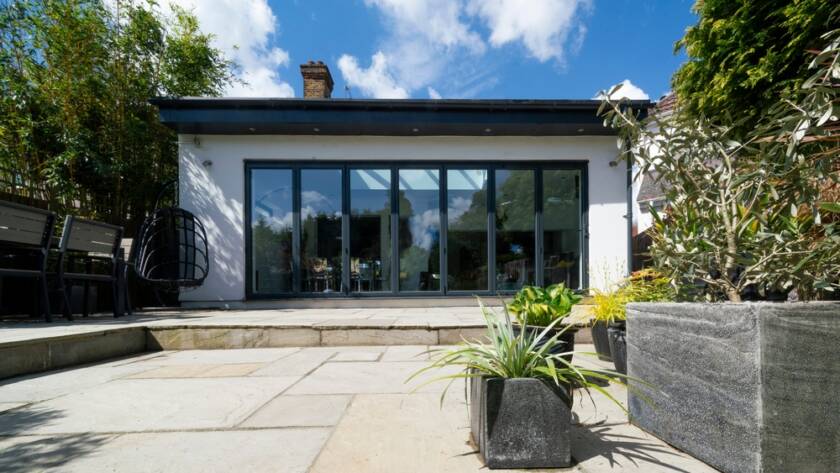
- Rear Elevations and Patio Doors: Rear patio doors are highly vulnerable to forced entry. A professional installation utilises high-mounted, wide-angle optics on the rear elevation to command a comprehensive view of back gardens and vulnerable ground-floor glazing.
Balancing Structural Heights and Blind Spot Elimination
A frequent error seen in uncertified installations is mounting cameras too low in an attempt to capture closer images. If a camera body sits within arm’s reach (under 2.5 metres from ground level), it becomes highly vulnerable to vandalism, lens masking, or physical wire-cutting.
To prevent tampering, cameras should be securely anchored at first-floor level, typically between 3 and 4 metres high. While this elevated position protects the physical hardware and provides an expansive field of view, it naturally creates a vertical ‘blind spot’ directly underneath the wall bracket.
Professional system designers resolve this by engineering overlapping fields of view, ensuring that the dead zone beneath Camera A is actively monitored within the live viewing arc of Camera B.
Managing Environmental Light and Nocturnal Constraints
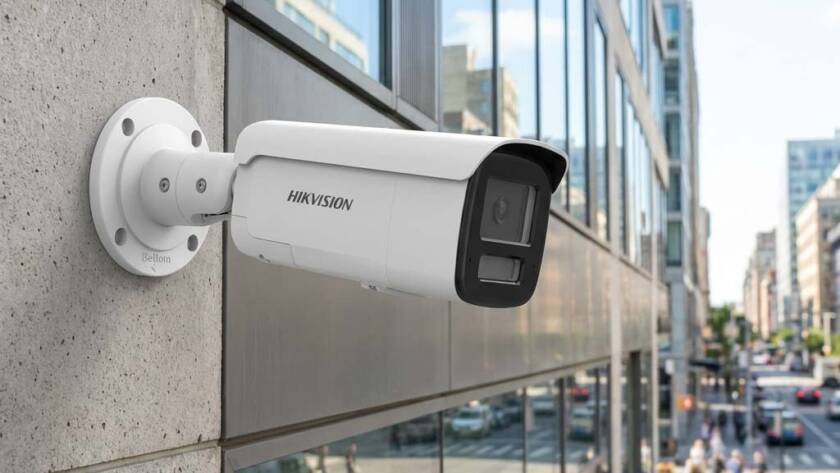
Surveillance conditions change constantly, and systems face their greatest technical challenges during low-light hours or when harsh artificial light blinds the camera sensor. Maintaining clear, actionable video quality around the clock requires professional-grade hardware equipped with advanced light-management technologies:
- Integral Infrared (IR) & Active Matrix LEDs: Standard optical sensors fail in total darkness. Professional security infrastructure utilises built-in, invisible IR arrays to cast long-range night vision across yards, or smart white-light LEDs that provide crisp, full-colour nocturnal tracking while acting as a visual deterrent.
- True Wide Dynamic Range (WDR): When a camera faces a rising sun, a residential streetlamp, or passing vehicle headlights, standard lenses become washed out, reducing targets to dark silhouettes. Professional systems incorporate true, multi-exposure WDR technology to automatically balance extreme lighting differences, keeping foreground details sharp.
The Critical Role of an NSI Gold Site Survey
Every residential property across Coventry features unique architectural layouts, changing seasonal foliage, and distinct lighting challenges. Out-of-the-box, consumer-grade camera packages are unsuited to handle these variables and frequently leave properties exposed to blind spots or legal liability regarding neighbouring properties.
An NSI Gold-approved installer performs a thorough technical evaluation of your perimeter, calculating exact lens focal lengths, determining correct power distribution, and ensuring that your system provides maximum protection while adhering to all UK privacy and building regulations.
Eliminate vulnerabilities with professional security design
Clear Sound Fire & Security provides certified, engineered surveillance systems backed by more than 45 years of local operational experience. Contact our engineering team today on 024 7666 8366 or request a formal site survey to discuss a robust perimeter solution for your home.