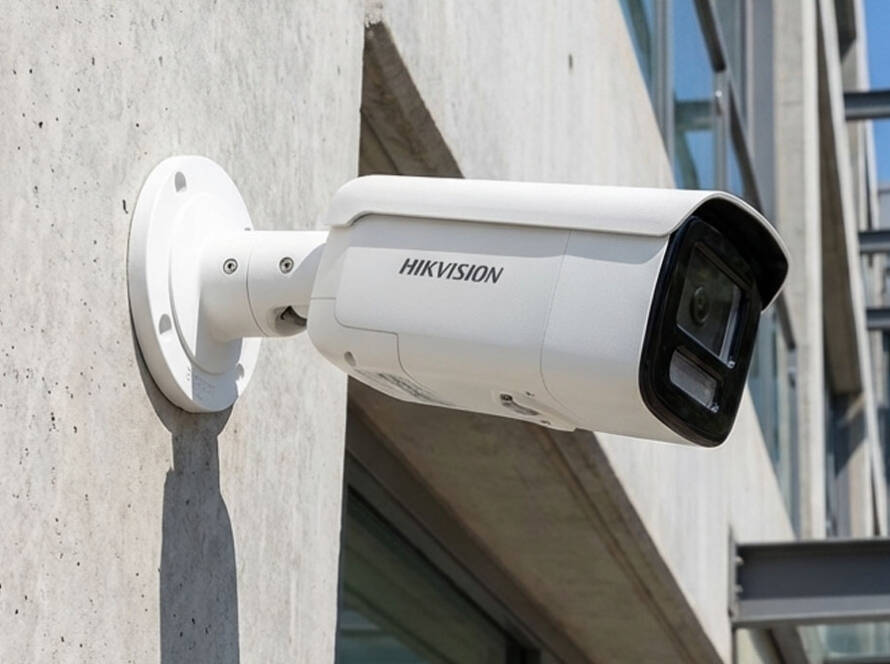
As a business owner, protecting your premises, staff, and stock is a top priority. Installing commercial CCTV is one of the most effective ways to do this. However, the moment your cameras capture images of identifiable individuals, your system falls under strict UK data protection laws.
Failing to comply with the Information Commissioner’s Office (ICO) guidelines and the UK General Data Protection Regulation (GDPR) can result in heavy fines and make your footage legally inadmissible as evidence.
For commercial enterprises across the West Midlands, partnering with certified Coventry CCTV installers ensures your system is designed defensively, practically, and legally. This guide outlines the essential compliance rules every business owner must follow.
Where You Can (and Can’t) Legally Place CCTV Cameras
The guiding principle of UK surveillance law is proportionality. You must be able to justify why a camera is monitoring a specific area.
- Permitted Areas: Placing cameras in high-risk zones, such as near cash registers, in stock rooms, or at entry and exit points, loading bays, and public-facing shop floors, is entirely justified to deter theft and ensure health and safety.
- Restricted Areas: Spaces where individuals have a high expectation of privacy, such as toilets, changing rooms, and staff break areas, are strictly off-limits. Installing cameras here requires exceptional circumstances and an incredibly high legal threshold.
- External Overlap: If your cameras capture public footpaths or neighbouring properties (e.g., along Foleshill Road or Earlsdon High Street), you must adjust the camera fields of view or apply digital privacy masking to blank out unauthorised areas.
GDPR and ICO Registration Requirements for Businesses
If your business processes personal data via CCTV, you are legally required to register as a “Data Controller” with the ICO and pay a data protection fee.
Beyond registration, your ongoing responsibilities include:
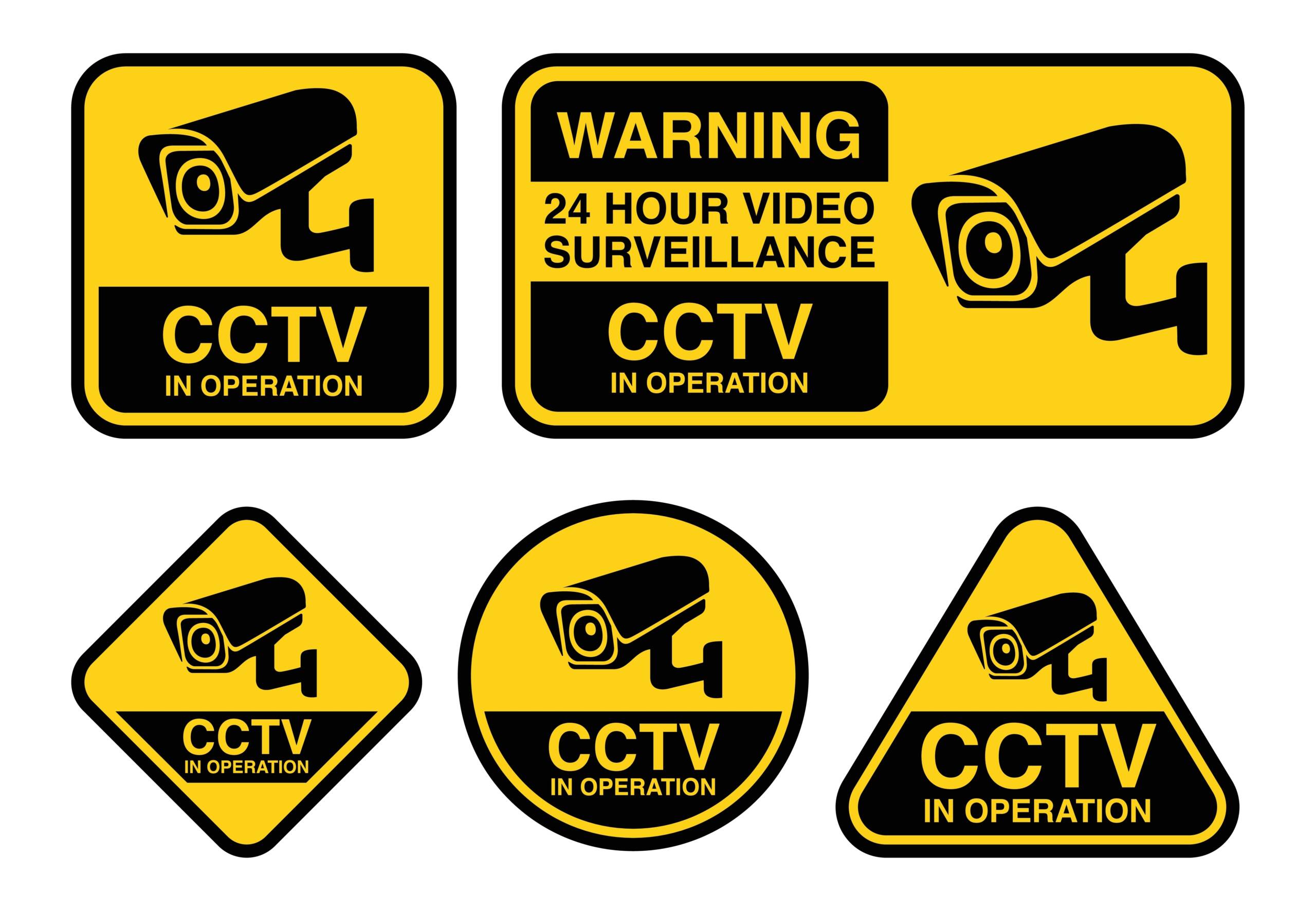
- Clear Signage: You must display highly visible signs stating that CCTV is in operation, the purpose of the surveillance (e.g., “For the purposes of crime prevention”), and who manages the system, alongside their contact details.
- Subject Access Requests (SARs): Under GDPR, any individual caught on your cameras has the right to request a copy of their footage. You must be able to supply this within one calendar month and have the technical capability to redact or blur out the faces of other individuals in the frame to protect their privacy.
Data Retention Periods: How Long Can You Legally Store Footage?
The law states that you should not keep surveillance footage for longer than is strictly necessary to achieve your original purpose.
While there is no single statutory limit, the standard UK commercial benchmark is 31 days. After this period, unless the footage is required for an ongoing police investigation or legal dispute, it should be securely and permanently deleted. Your digital video recorders (DVRs) or network video recorders (NVRs) should be programmed to automatically overwrite old data in a continuous loop to maintain compliance.
Need to audit your workplace security?
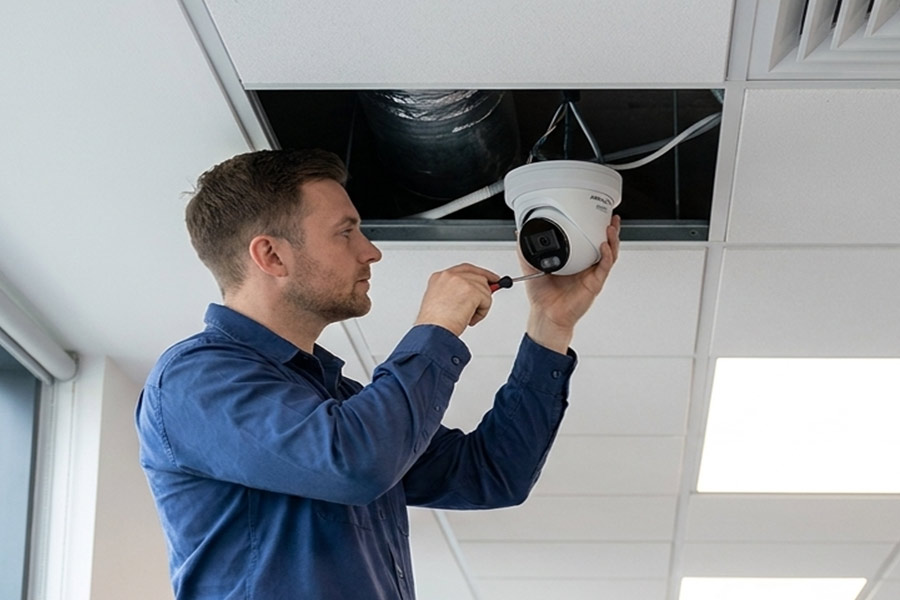
Ensure your business operates within the law by speaking with an accredited professional. Learn more about our fully compliant CCTV for Coventry businesses or contact us directly to book a professional site survey.