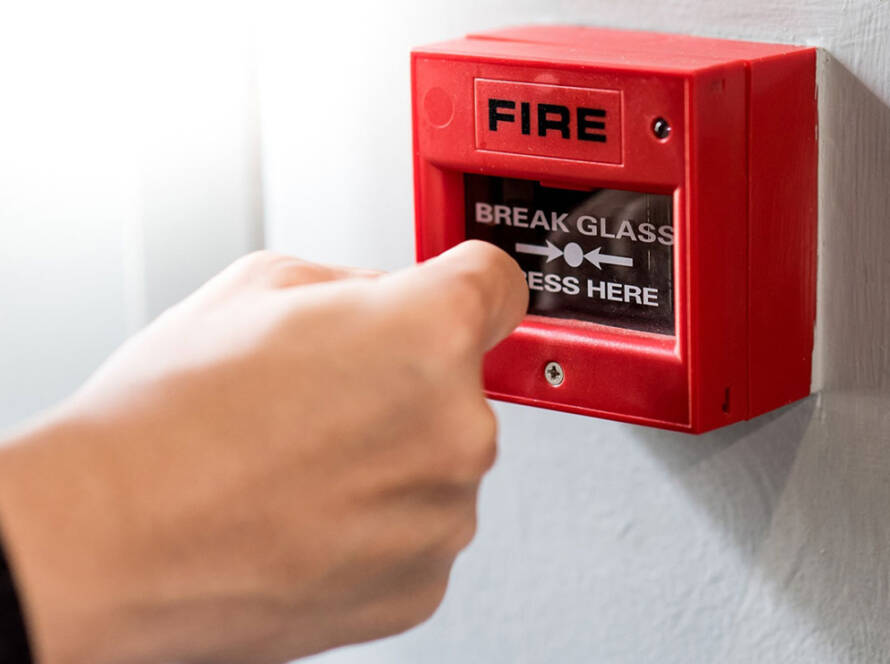
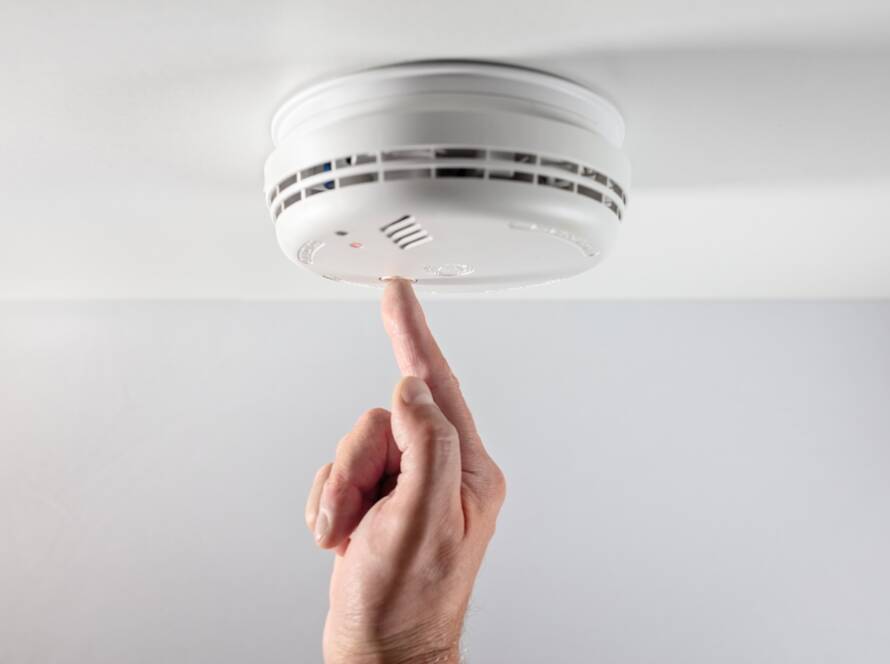
Upgrading legacy life safety infrastructure in an operational commercial facility, school, or multi-tenant office building in Coventry presents significant logistical challenges. Building managers must maintain continuous fire safety coverage under the Regulatory Reform (Fire Safety) Order 2005 while avoiding costly operational downtime, dusty drilling, or disruption to daily operations.
Executing a successful fire alarm retrofit requires careful phased engineering under BS 5839-1 to ensure the building remains protected while old components are decommissioned and new hardware is brought online.
The Hazard of System ‘Gaps’ During Migration
The primary risk during a fire alarm modernisation project is leaving a building unmonitored while switching from an old control panel to new loop architecture. If a property loses fire detection capability during operational hours, local fire authorities can issue an immediate prohibition notice, forcing the building to close until coverage is restored.
To avoid this liability, certified engineers use a parallel system migration strategy:
- Phased Zone Cutover: The new loop cabling, control equipment, and optical sensors are installed alongside the existing legacy network without cutting power to the old system.
- Zone-by-Zone Cutover: Engineers transfer detection zones individually, typically out of standard business hours, testing each new loop before isolating and removing the old legacy sensors.
- Temporary Compensatory Measures: If a loop must go offline during work hours, the engineer establishes a formal “waking watch” protocol or deploys temporary wireless interconnecting detectors to ensure continuous life safety coverage.
Addressing Legacy Cabling and Cable Containment
A frequent dilemma during a retrofit is deciding whether to reuse existing fire-resistant cabling (such as older mineral-insulated or early FP200 runs) or pull entirely new screened cables.
While reusing old cable runs can reduce initial material costs, legacy wiring often harbours hidden degradation, earth faults, or insulation breakdowns that trigger continuous false alarms on modern addressable systems.
A professional pre-installation assessment involves conducting an insulation resistance and loop impedance test on all existing wiring. If the legacy cable fails to meet current BS 5839-1 voltage drop and screening standards, pulling new FP200 Gold cabling is mandatory to ensure long-term stability.
Upgrading from Conventional to Intelligent Addressable Systems
Many older commercial properties across Warwickshire still run basic conventional (zone-based) fire alarms, where a triggered sensor only tells the panel which general floor or zone has an issue.
"Fire in Zone 2 (Floor 2)"
Across 20 Rooms
"Fire at Device 104 (Room 208, Optical Smoke)"
Action
Modernising to an intelligent analogue addressable system provides major operational advantages:
- Pinpoint Location: Every detector, manual call point, and sounder has a unique digital address. When activated, the panel displays the exact room number, device type, and real-time smoke density level.
- Drift Compensation: Addressable sensors track their own dust accumulation over time, automatically adjusting their internal sensitivity thresholds to prevent false alarms caused by ageing hardware.
Modernise your life safety system without disrupting your business
Clear Sound Fire & Security delivers seamless, phased fire alarm upgrades across the West Midlands. Fill out our contact form or call 024 7666 8366 to schedule a retrofit survey today.