

The Regulatory Reform (Fire Safety) Order 2005 mandates that every non-domestic UK premises should have a suitable system of fire detection and warning in place, providing the appropriate level of protection for a building’s occupants, as well as minimising financial losses and ensuring business continuity.
The type and complexity of this system are typically determined during a professional fire risk assessment, with business and building owners often having to decide between wired and wireless fire alarm propositions. When designed and fitted by BAFE-approved installers, both systems comply fully with British Standards (BS5839) and have unique strengths and limitations, meaning the best choice often depends on specific business needs.
What is a Wireless Fire Alarm System?
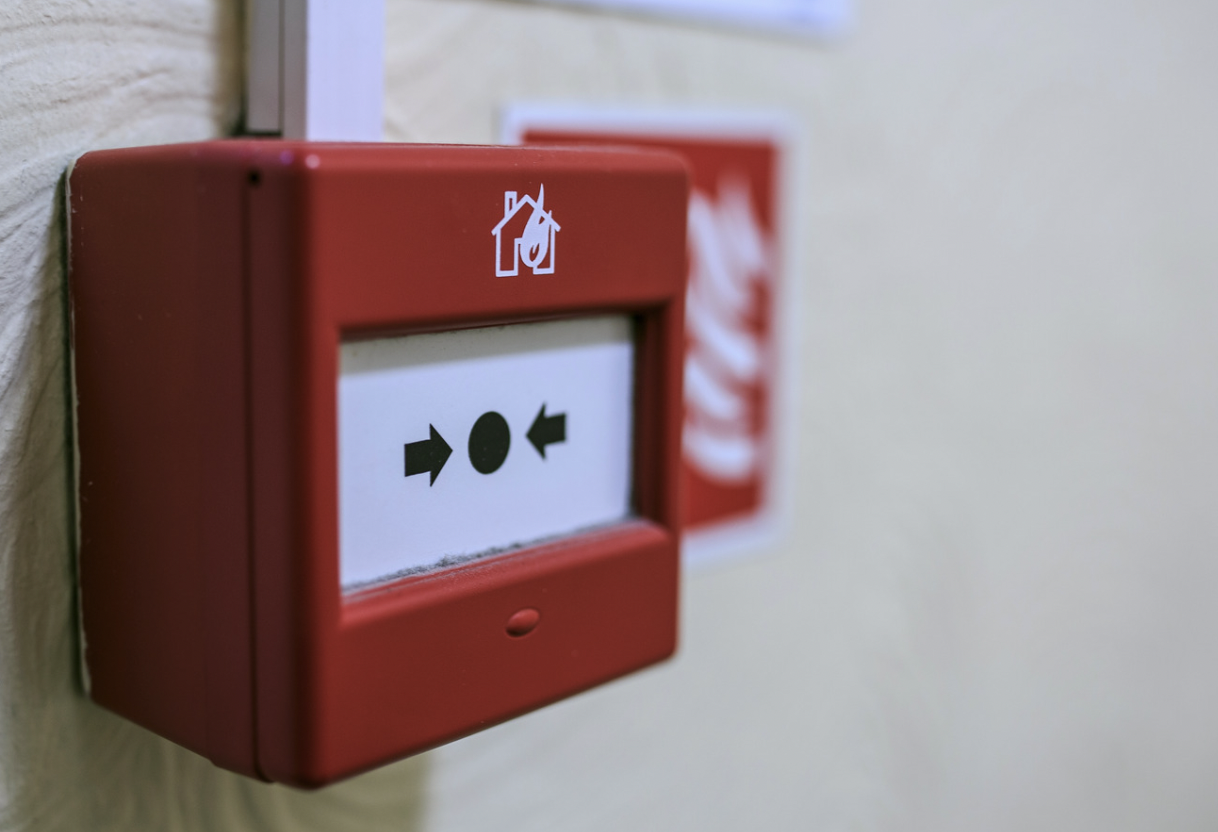
Instead of physical wires, wireless systems operate by using radio signalling. In this type of system, detectors and call points signal alerts to a central control panel via radio waves, activating the system’s alarm-sounding devices to encourage evacuation.
Advantages of Wireless Systems
- Quick to install: With no need for extensive cabling, wireless systems can be quickly installed in buildings of any age or complexity. This generally makes the labour cost of the installation less expensive.
- More flexibility: As its components communicate wirelessly, this type of system can be reconfigured at any time to align with changing business needs.
- No damage or disruption: Wireless systems can be implemented without drilling into walls, leading to faster, disruption-free installation.
Disadvantages of Wireless Systems
- Risk of signal interference: Metal structures, thick walls, or other electronics may disrupt or block signals, which can result in false alarms and, ultimately, unrelayed fire detections if left unaddressed.
- Higher maintenance costs and requirements: All radio system fire detection and alarm devices will require batteries to power their wireless capabilities. Although automatically monitored, the batteries must be replaced regularly (every few years), which can incur significant long-term costs because the batteries are very specialised regarding power and longevity.
- Potential reliability issues: When considered in tandem, the risks of signal loss and battery degradation may compromise the reliability of wireless systems in supporting safe evacuation, particularly in larger buildings. These can also occur as a result of significant changes to building layout or business activities, so expert advice should always be sought in advance.
Need Help Selecting a Commercial Fire Alarm System?
Clear Sound Fire & Security has over 40 years of experience advising business owners across Coventry and the West Midlands on the most appropriate fire detection and warning solution for their requirements. As BAFE-approved installers of commercial fire alarm systems, we undergo rigorous assessments and regular audits to ensure that we:
- Uphold strict industry standards
- Demonstrate competence in fire safety services
- Help businesses comply with BS 5839 and other UK fire safety regulations

Contact us on 024 7666 8366 or fill out our contact form for more information about our wired and wireless fire alarm system installation services and how we can help you make the best choice for your business.
